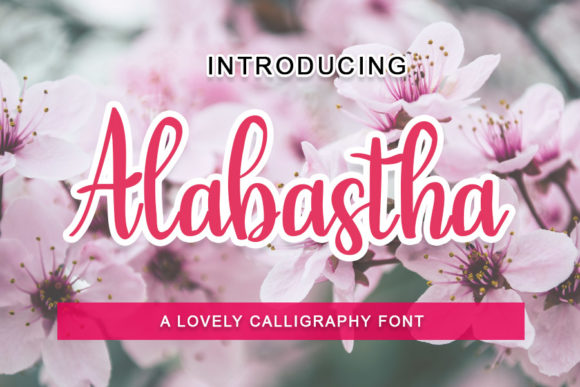
Alabastha: A Handwritten Font for Creative Makers
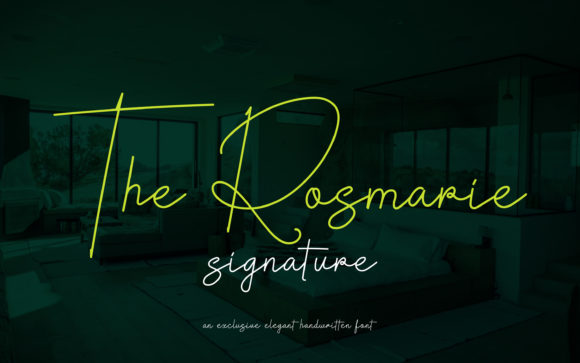
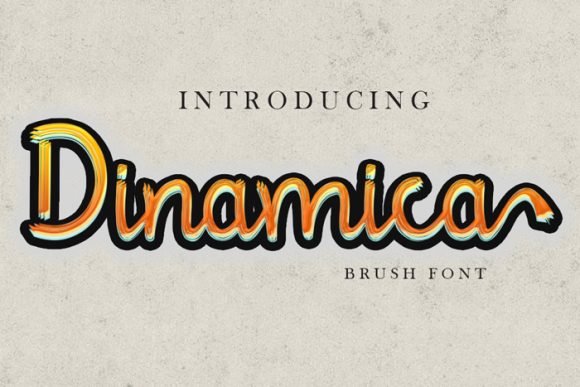
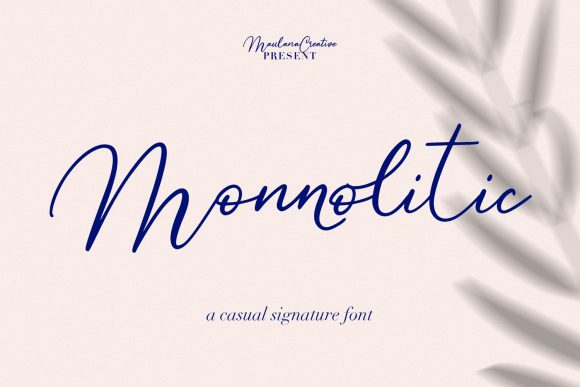
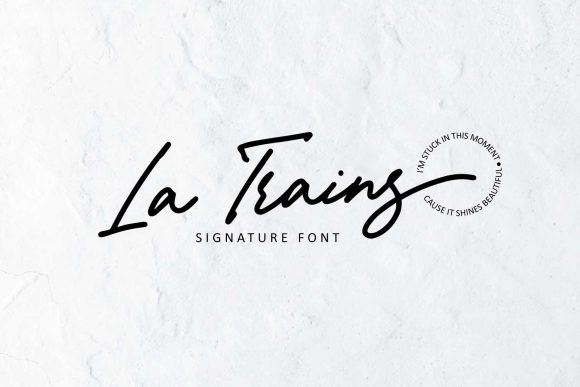
I was in the middle of designing a new line of soy candles when I stumbled upon Alabastha. It felt like finding the perfect scent for a candle — something delicate, modern, and just right. As I began to test it on mockups, I realized this wasn’t just any font. Alabastha has a soft, flowing style that feels handcrafted, almost like a personal note from a friend. Its elegant curves and subtle imperfections give it an authentic charm that instantly elevates any design.
Designing with Alabastha: A Maker’s First Impressions
The first time I used Alabastha was on a label for my lavender-scented candle. I wanted something that would feel both luxurious and approachable. The font’s gentle strokes and natural flow made it perfect for the minimalist design I had in mind. I printed out a few samples and tested them on different materials — paper, vinyl, even fabric. Each time, the font maintained its beauty, whether on a small sticker or a large banner.
Alabastha is ideal for short phrases, names, and titles, but I’ve also found that it works well for longer text when paired with a clean sans serif font. For example, when I created a set of printable planner pages, I used Alabastha for headings and a simple sans serif for body text. The contrast gave the design a balanced, professional look without losing the font’s unique character.
Real-World Applications: From Labels to Wall Art
One of the best things about Alabastha is how versatile it is. I’ve used it on everything from product packaging to digital downloads. Here are some of the ways I’ve incorporated it into my work:
- Candle Labels: Alabastha adds a touch of elegance to labels, making them feel more personal and handmade.
- Greeting Cards: Whether it’s a birthday card or a thank you note, the font’s softness makes every message feel heartfelt.
- Wedding Invitations: I recently designed a set of invitations for a client, and Alabastha was the perfect choice for the main text. It gave the invitations a romantic, timeless feel.
- Wall Art: I created a series of printable wall art pieces using Alabastha for the main text and a bold display font for accents. The result was stunning.
- Boutique Tags: For a local boutique, I designed custom tags using Alabastha. They added a cohesive brand identity and made the products feel more special.
When working with Alabastha, I always make sure to check the included styles, alternates, and ligatures. These features can add a level of detail that really brings the font to life. I also pay attention to file formats and commercial licensing, especially when creating printables or selling merchandise.
Typography Tips for Makers and Designers
For those who use cutting machines like Cricut or Silhouette, Alabastha is a great choice for small stickers, signs, and labels. Its thin strokes and consistent spacing make it easy to cut and apply without issues. When designing for physical products, I recommend testing the font at different sizes to ensure readability and clarity.
Font pairing is another important consideration. I often pair Alabastha with a clean sans serif font like Helvetica or Arial for a modern, balanced look. If I’m going for something more ornate, a simple serif font like Georgia or Times New Roman works well too. For decorative purposes, combining Alabastha with a bold display font can create a striking visual impact.
When using Alabastha for digital templates or social media graphics, I make sure to maintain consistency in color and spacing. This helps reinforce brand identity and ensures that all designs feel cohesive across platforms.
Creating Emotional Appeal with Typography
Typography isn’t just about aesthetics — it plays a big role in how customers perceive your brand. Alabastha’s handwritten style gives off a sense of authenticity and care, which can be incredibly appealing to buyers. It creates an emotional connection that makes products feel more personal and meaningful.
Whether you’re designing for a small shop or selling digital downloads, using a font like Alabastha can help you stand out in a crowded market. Its unique personality can make your products more memorable and increase customer engagement.
As a maker, I’ve found that using Alabastha has helped me build a stronger brand identity. It’s become a signature element in many of my designs, and I know my customers have noticed the difference. It’s not just a font — it’s a creative tool that brings my vision to life in a way that feels truly handmade.